How to Choose Professional Mold Removal Fort Worth Residents Trust
Why Mold Is a Persistent Problem in Fort Worth Homes
Living in Fort Worth means dealing with hot summers, sudden storms, and the occasional freeze that can wreak havoc on a house. One of the less visible but most destructive results of that weather is mold. It creeps into damp corners, hides behind drywall, and spreads through the air in tiny particles that are easy to inhale but hard to see. I have spent years working in moisture control and property inspection around Tarrant County, and I can tell you that mold is not something to ignore or handle with a spray bottle and good intentions.
The climate here is a perfect breeding ground for mold spores. High relative humidity, especially in summer, keeps indoor moisture levels elevated. Even a small leak in a roof or a pipe can turn a closet into a mold farm in a matter of days. That is where mold removal Fort Worth professionals come in. They do not just scrub visible stains. They track down the source of moisture, test the air quality, and make sure the problem does not come back.
Understanding the Health Risks and the Science Behind Mold
Mold is not just an eyesore. For many people, it is a health hazard. The Environmental Protection Agency has published guidelines on indoor mold, and the Texas Department of State Health Services also warns about the risks of long-term exposure. Mold allergy symptoms can range from sneezing and watery eyes to more serious respiratory issues. The culprit is often Stachybotrys chartarum, commonly called black mold, which produces mycotoxins that can be harmful in enclosed spaces.
But not all mold is black, and not all black mold is the toxic kind. That confusion leads some homeowners to reach for bleach, thinking it will solve everything. Bleach can kill mold on non-porous surfaces, but on drywall or wood, it often just bleaches the color while leaving the roots alive. White vinegar is a better option for small patches on hard surfaces, but for a full infestation, you need professional equipment. A HEPA vacuum, for example, can capture mold spores that regular vacuums just blow back into the air. That is the kind of detail that separates a thorough job from a superficial one.
Why DIY Mold Cleanup Often Fails
I have seen people try to fix mold problems on their own more times than I can count. They buy a bottle of cleaner, scrub the visible spots, and think they are done. A week later, the smell returns. The reason is simple: mold is a symptom of a moisture problem, and if you do not fix the moisture, the mold will grow back. A good mold removal Fort Worth service will include leak detection, moisture barrier installation, and sometimes even crawl space encapsulation to keep dampness from migrating into the living area.
Another common mistake is ignoring the HVAC system. Mold spores travel through the air, and your heating and cooling system can spread them from one room to the whole house. A professional team will inspect the ductwork and clean or treat it as part of the remediation process. That is something a weekend warrior with a scrub brush cannot do.
What a Professional Mold Inspection Covers
Before any removal work starts, a thorough property inspection is essential. A certified inspector will look for visible mold, but also use tools like moisture meters and thermal imaging to find hidden growth. They check areas that are easy to overlook: behind the refrigerator, under the sink, in the attic, and in the crawl space. They also measure relative humidity and look for condensation on windows or pipes.
An air quality monitor can give a snapshot of the spore count in the home. If the indoor levels are significantly higher than outdoor levels, there is an active mold problem somewhere. The Indoor Air Quality Association has training programs that many reputable companies follow, so you know the inspection follows a standard that is backed by research. After the inspection, you get a clear report that tells you where the mold is, what kind it is, and what needs to be done.
The Remediation Process: More Than Just Scrubbing
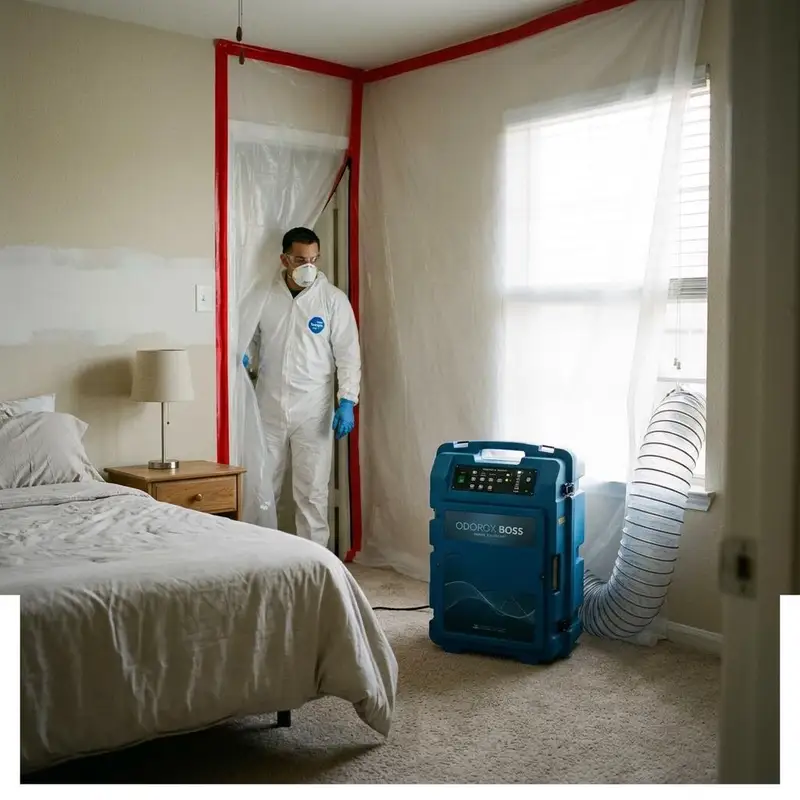
Once the inspection is done, the actual mold removal Fort Worth process begins. This is where having the right certification matters. The IICRC sets standards for mold remediation, and companies that follow those standards use containment methods to keep spores from spreading during the work. They set up negative air pressure, seal off the work area, and wear protective gear. They also use commercial-grade HEPA vacuums and air scrubbers to clean the air as they work.
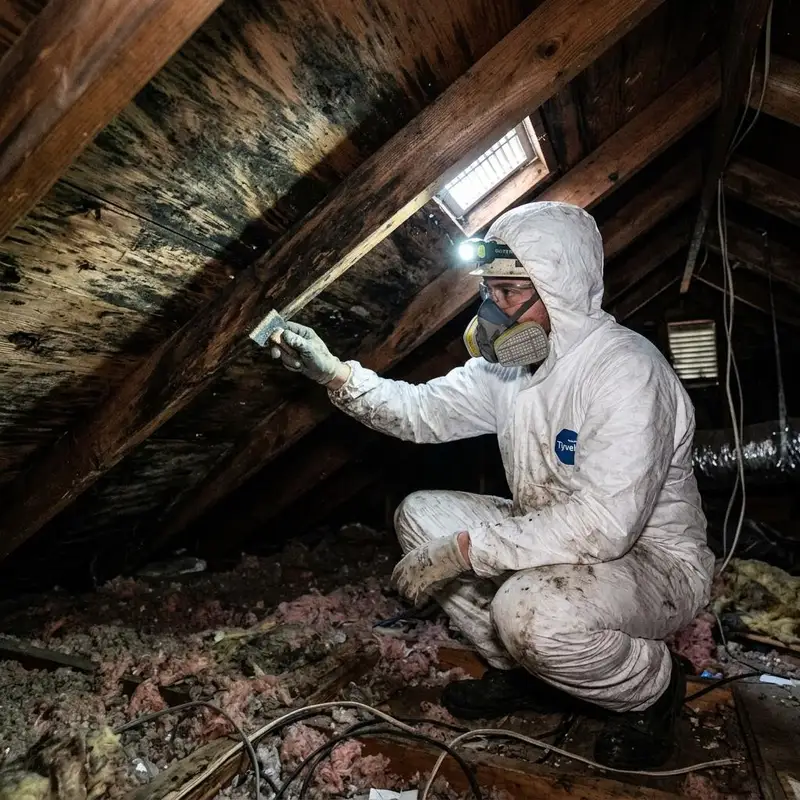
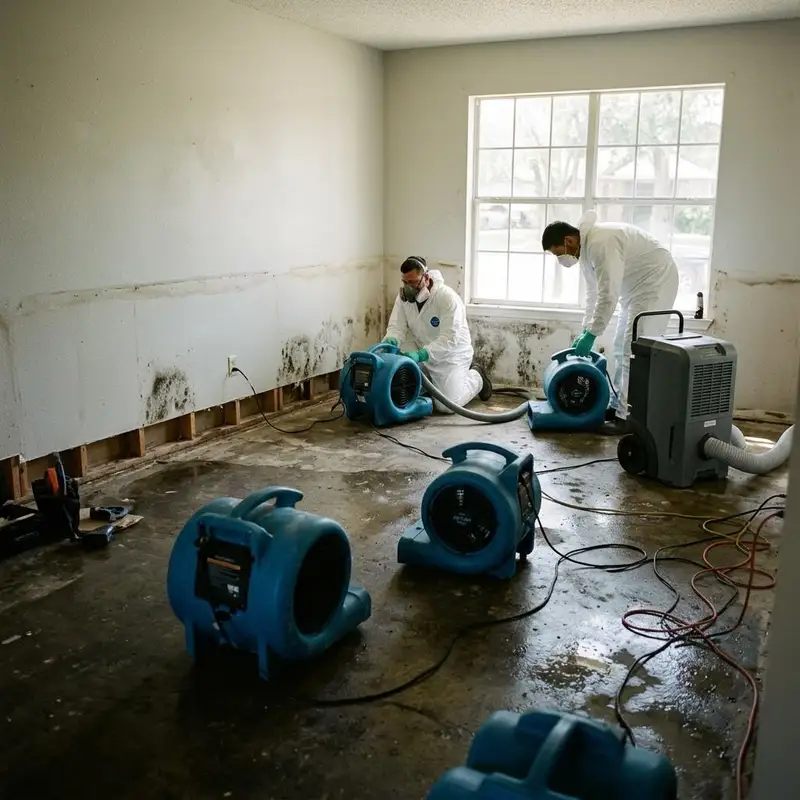
Removal of porous materials like drywall or carpet is sometimes necessary. Non-porous surfaces can be cleaned with antimicrobial solutions, but wood framing often needs sanding and treatment. A dehumidifier is usually placed in the area after the work is done to keep things dry while the repairs cure. The goal is not just to remove the mold you can see, but to create an environment where mold cannot regrow.
Prevention: Keeping Mold from Coming Back
The best mold remediation ends with a plan to prevent recurrence. That starts with controlling moisture. Fixing leaks quickly is obvious, but there are other steps that many homeowners miss. Installing a moisture barrier in a crawl space can stop ground moisture from seeping up through the foundation. Keeping indoor relative humidity below 60 percent, ideally between 30 and 50 percent, makes it hard for mold to grow. A dehumidifier can help in basements or other damp areas.
Ventilation is another key piece. Bathrooms and kitchens need exhaust fans that vent outside. The HVAC system should be checked regularly for condensation or standing water in the drip pan. An air quality monitor can give you a continuous reading so you know if humidity is climbing. These are small investments compared to the cost of a full mold remediation down the road.
Choosing the Right Professional for the Job
Not every company that advertises mold removal is equally qualified. Look for certifications like mold remediation certification from a recognized body like the IICRC or the Indoor Air Quality Association. Ask about their inspection process. Do they use moisture meters and air sampling? Do they have insurance and references? A good company will walk you through their approach before they start work. They will also explain what you need to do to prepare, like moving furniture or turning off the HVAC system during the job.
Price is important, but it should not be the only factor. A very cheap bid often means corners are cut. A very expensive one might include unnecessary services. Get at least two estimates and compare what is included. The Texas Department of State Health Services does not license mold remediators, so it falls on you to verify credentials. Trust your gut. If a company is vague about their methods or refuses to provide a written contract, keep looking.
Final Thoughts on Mold in Fort Worth Homes
Mold is a stubborn problem, but it is solvable. The key is to act early, hire the right help, and address the moisture at its source. Whether you are dealing with a small patch in the bathroom or a full-blown infestation after a flood, professional mold removal Fort Worth services are equipped to handle it safely and thoroughly. Do not let a little mold turn into a big health issue. Get an inspection, make a plan, and take care of it before the spores spread any further.